<span id="cmjg5"></span>
<span id="cmjg5"></span>
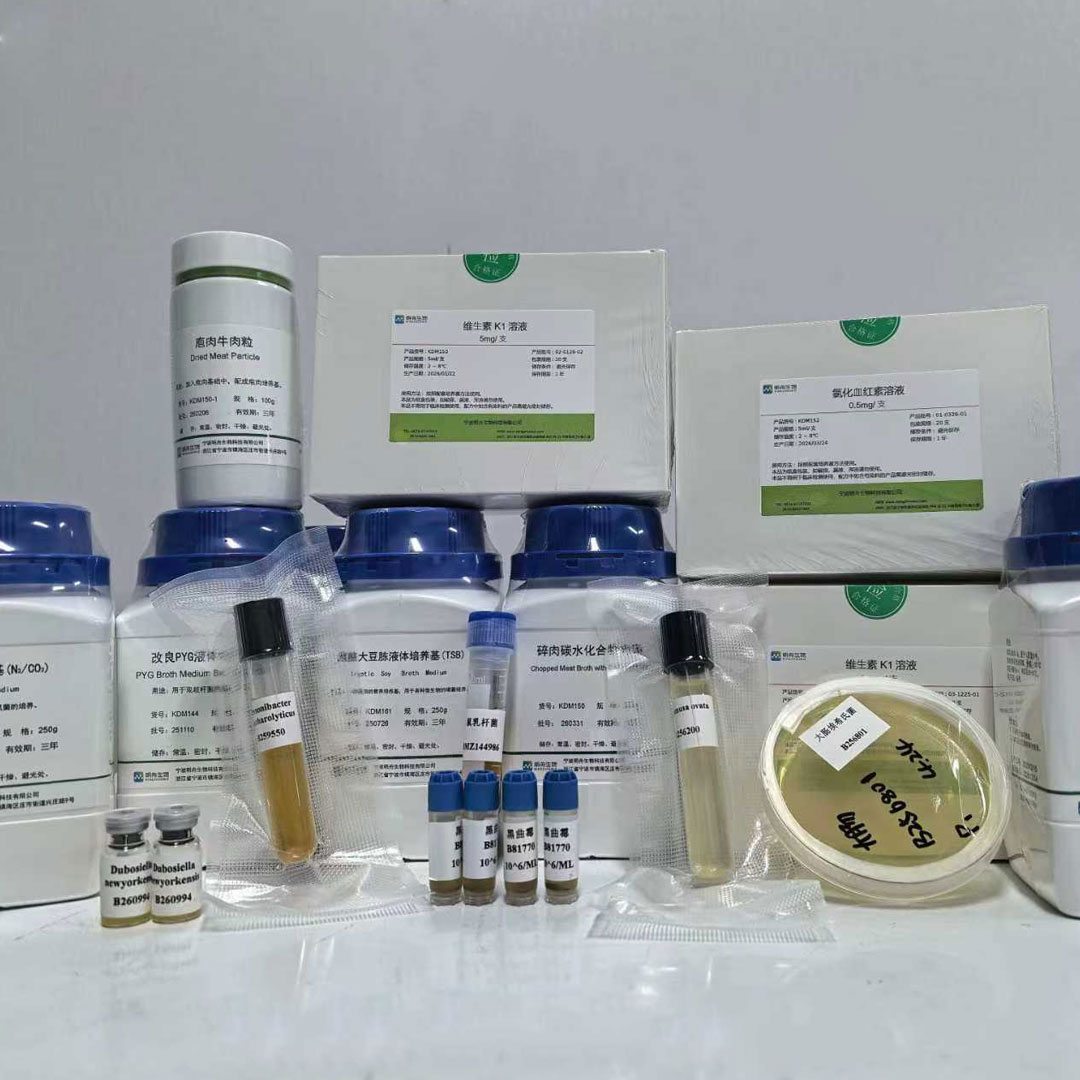
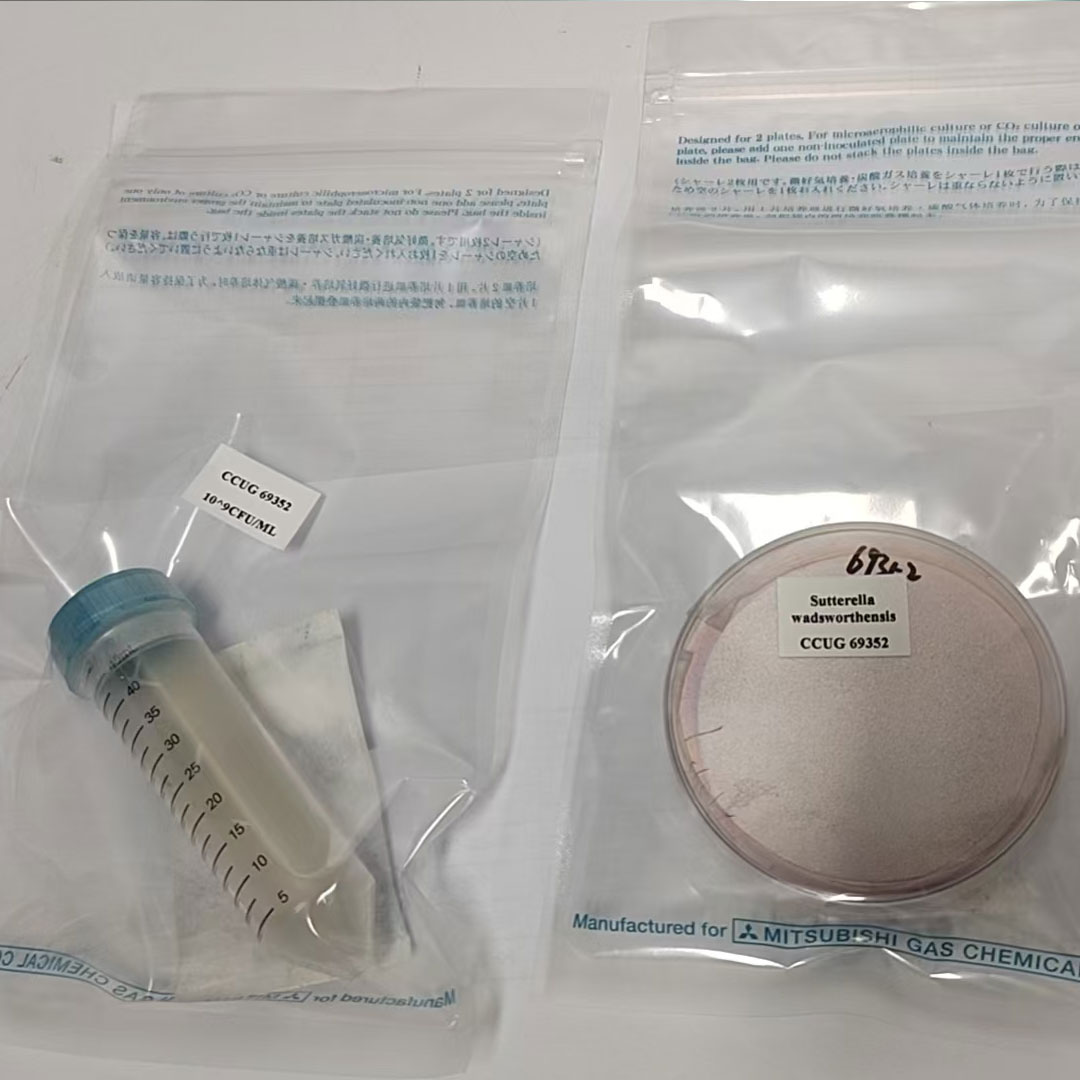
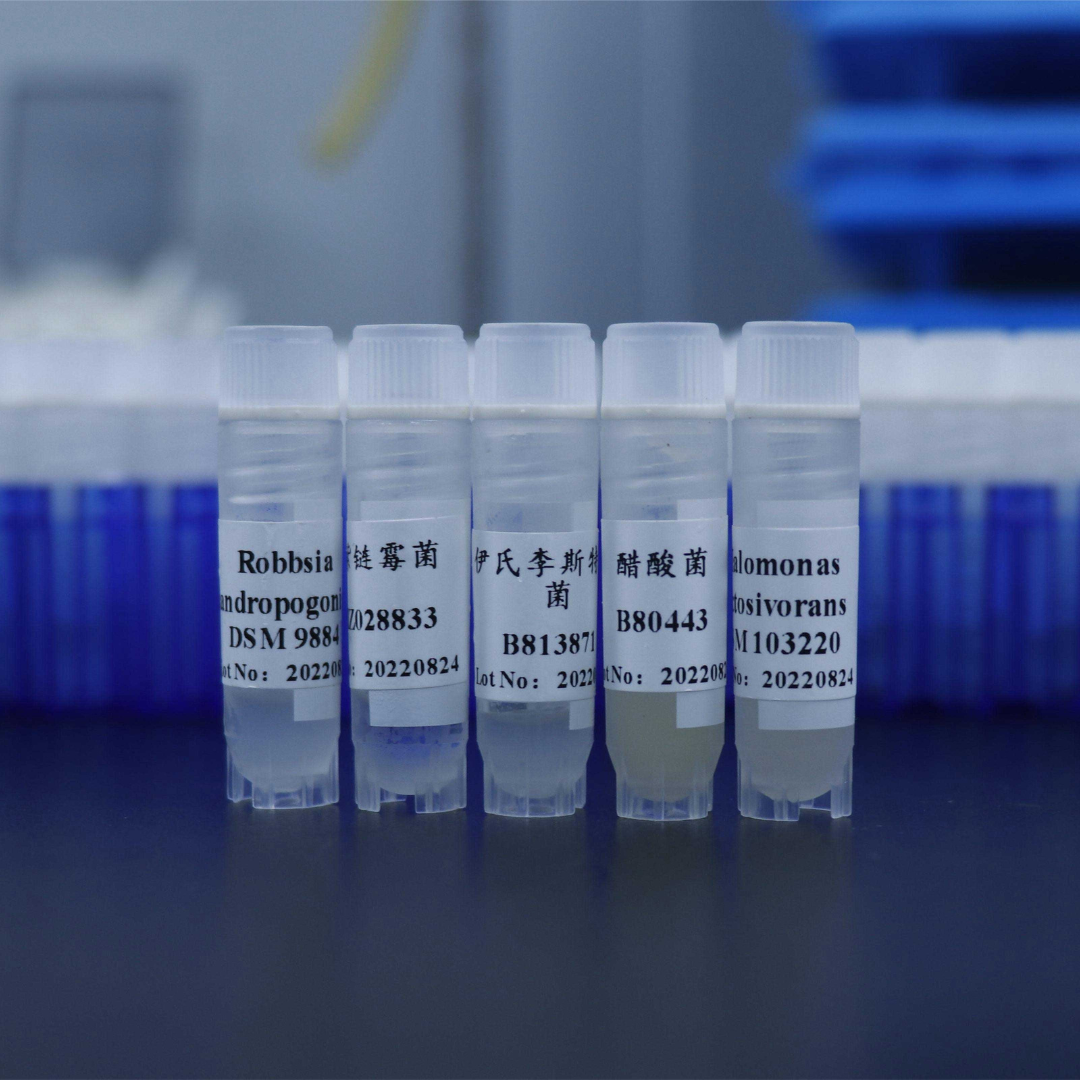
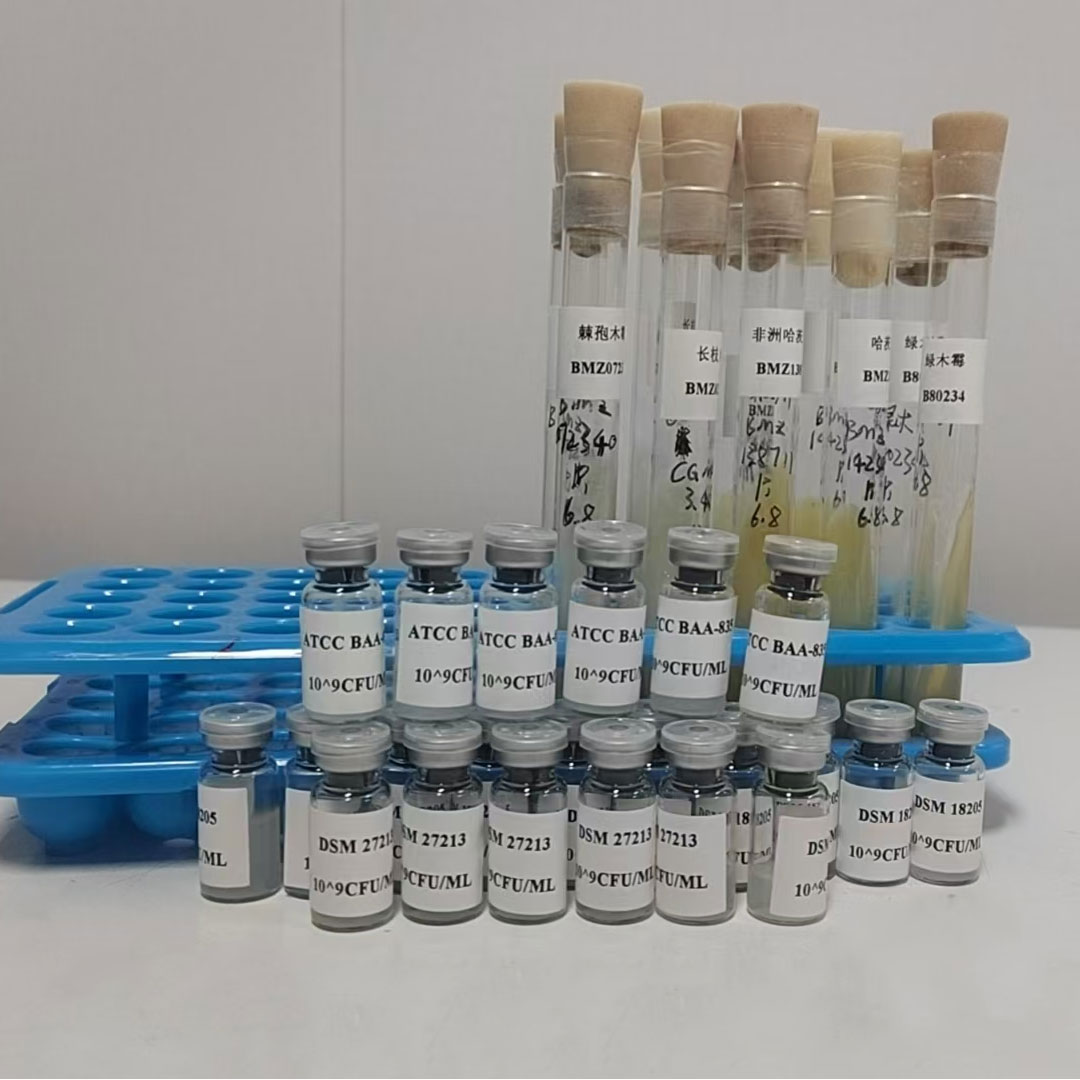
Biosafety classification is based on U.S. Public Health Service Guidelines, it is the responsibility of the customer to ensure that their facilities comply with biosafety regulations for their own country.
Ko L, et al. Morphological characterization of nitrosourea-induced glioma cell lines and clones. Acta Neuropathol. 51: 23-31, 1980. PubMed: 7435138
Tzeng JJ, et al. Adoptive immunotherapy of a rat glioma using lymphokine-activated killer cells and interleukin 2. Cancer Res. 50: 4338-4343, 1990. PubMed: 2364388
Barth RF, et al. Boron Neutron capture therapy of brain tumors: Enhanced survival following intracarotid injection of either sodium borocaptate or boronophenylalanine with or without blood brain barrier disruption. Cancer Res. 57: 1129-1136, 1997. PubMed: 9067283
Clendenon NR, et al. Boron neutron capture therapy of a rat glioma. Neurosurgery 26: 47-55, 1990. PubMed: 2294479
Matalka KZ, et al. Neutron capture therapy of a rat glioma using boronophenylalanine as a capture agent. Radiat. Res. 137: 44-51, 1994. PubMed: 8265787
Tzeng JJ, et al. Phenotype and functional activity of tumor-infiltrating lymphocytes isolated from immunogenic and nonimmunogenic rat brain tumors. Cancer Res. 51: 2373-2378, 1991. PubMed: 2015600
Gyngell ML, et al. Localized proton NMR spectroscopy of experimental gliomas in rat brain in vivo. NMR Biomed. 5: 335-340, 1992. PubMed: 1336973
Bockhorst K, et al. Localization of experimental brain tumors in MRI by gadolinium porphyrin. Acta Neurochir. Suppl. (Wien) 60: 347-349, 1994. PubMed: 7976586
Els T, et al. NMR contrast enhancement of brain tumors: Comparison of the blood brain barrier tracer GdDTPA and the tumor-selective contrast agent in MnTPPS. MAGMA 1: 126-133, 1993.
Hossmann KA, et al. Regional metabolism of experimental brain tumors. Acta Neuropathol. 69: 139-147, 1986. PubMed: 3962590
Eis M, et al. High resolution quantitative relaxation and diffusion MRI of three different experimental brain tumors in rat. Magn. Reson. Med. 34: 835-844, 1995. PubMed: 8598810
Eis M, et al. Quantitative diffusion MR imaging of cerebral tumor and edema. Acta Neurochir. Suppl. (Wien) 60: 344-346, 1994. PubMed: 7976585
Judy KD, et al. Effectiveness of controlled release of a cyclophosphamide derivative with polymers against rat gliomas. J. Neurosurg. 82: 481-486, 1995. PubMed: 7861228
Ernestus RI, et al. Identification of intracranial liqor metastases of experimental stereotactically implanted brain tumors by the tumor-selective MRI contrast agent MnTPPS. Clin. Exp. Metastasis 10: 345-350, 1992. PubMed: 1505124
Yang W, et al. Boron neutron capture therapy of brain tumors: enhanced survival following intracarotid injection of sodium borocaptate with or without blood-brain barrier disruption. Int. J. Radiat. Oncol. Biol. Phys. 37: 663-672, 1997. PubMed: 9112465
Yang W, et al. Enhanced survival of glioma bearing rats following boron neutron capture therapy with blood-brain barrier disruption and intracarotid injection of boronophenylalanine. J. Neuro-Oncol. 33: 59-70, 1997. PubMed: 9151224
Boucher Y, et al. Interstitial fluid pressure in intracranial tumours in patients and in rodents. Br. J. Cancer 75: 829-836, 1997. PubMed: 9062403
Barba D, et al. Tumor immunity, immunizations and herpes simplex virus-thymidine kinase mediated tumor regression. Abstr. 1st Scientific Meeting Soc. Neuro-Onco. : 1996..
Vinores SA, Koestner A. The effect of nerve growth factor on undifferentiated glioma cells. Cancer Lett. 10: 309-318, 1980. PubMed: 7427924
Kobayashi N, et al. An improved rat brain-tumor model. J. Neurosurg. 53: 808-815, 1980. PubMed: 7003068
Barth RF. Rat brain tumor models in experimental neuro-oncology: the 9L, C6, T9, F98, RG2 (D74), RT-2 and CNS-1 gliomas. J. Neuro-Oncol. 36: 91-102, 1998. PubMed: 9525831
<dfn id="xc2zf"></dfn>